
The Rise of Priestcraft
Book of MormonThis flow traces the recurring pattern in which religious authority becomes a means of wealth, status, manipulation, and social inequality.
increasing Bearing strength in each event
 decreasing
Bearing strength in each eventdecreasingNehor’s Doctrine

Popular Religion
Flattering Teaching
Nehor claims priests should be supported by the people and teaches universal salvation without repentance.
Material Reward
Crowds give him money and elevate him in costly apparel.
Conflict Development
Religious language becomes a vehicle for popularity and gain.
Gideon’s Death
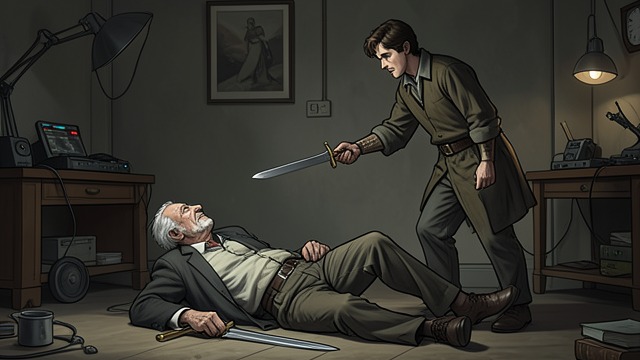
Doctrine Enforced by Violence
Public Contention
Gideon challenges Nehor with the words of God.
Murder
Nehor kills the aged teacher with a sword.
Conflict Development
Priestcraft crosses from persuasion into coercion, revealing its political danger.
Noah’s Court
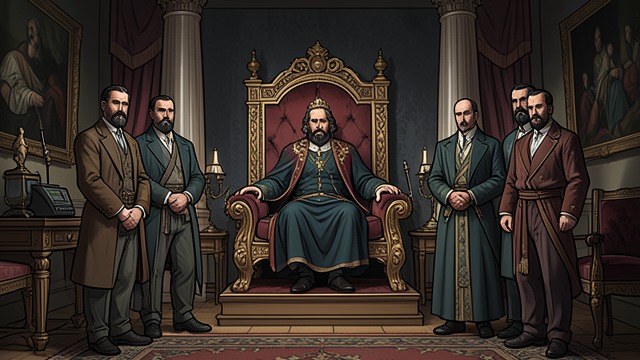
A Court of Excess
Institutional Corruption
King Noah replaces faithful priests with men lifted up in pride.
Extraction
Taxes fund palaces, luxury, idleness, multiple wives, and ritual display.
Conflict Development
Priestcraft becomes a state system that burdens laborers while rewarding elites.
Zoramite Stand
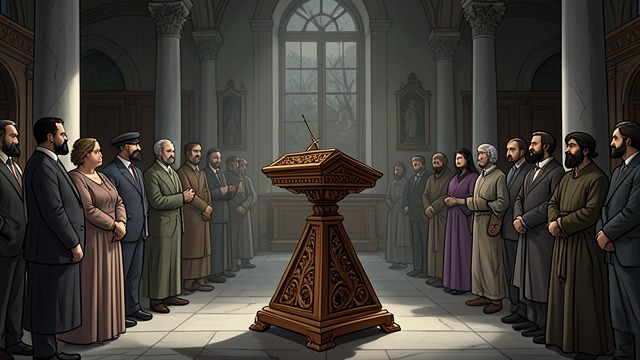
Worship for the Chosen Few
Ritual Exclusivity
Zoramites use the Rameumptom prayer stand to declare themselves elected and superior.
Economic Pride
Their costly goods and exclusion of the poor expose the gap between ritual and charity.
Conflict Development
Priestcraft now operates through class hierarchy and spiritual contempt.
Gentile Warning

Churches for Gain
Future Corruption
Moroni condemns churches that sell forgiveness, adorn themselves, and neglect the poor.
Repeated Pattern
The later warning mirrors Nehor, Noah, and the Zoramites.
Conflict Development
The conflict expands from local abuse into a warning addressed to future religious institutions.
first year of the Reign of the Judges
soon after Nehor’s movement begins
during King Noah’s reign
seventeenth year of the Reign of the Judges
near the final prophetic books
